
• Innovative Snap Specs 2026: Specs and Features Explained

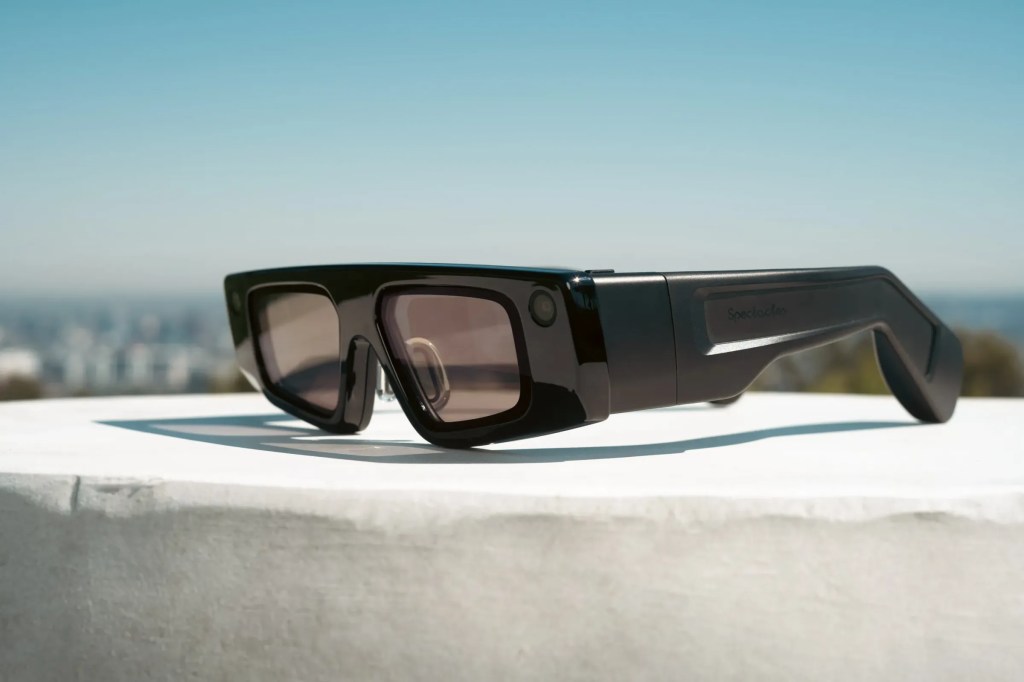
    ## Snap Specs (2026) – Technical Specifications

    The latest **Snap Specs** are designed as fully standalone augmented reality smart glasses, meaning they do not require a smartphone or external processing puck. Everything needed for AR experiences is built directly into the glasses.

    ### Key Specifications

    | Feature | Specification |
    | ———————— | ————————————————————————— |
    | **Display** | Transparent LCoS (Liquid Crystal on Silicon) waveguide display |
    | **Field of View** | 51° diagonal AR field of view |
    | **Colors** | Up to 16 million colors |
    | **Processor** | Dual Qualcomm Snapdragon processors |
    | **Operating System** | Snap OS |
    | **Interaction** | Hand tracking, voice commands, spatial tracking |
    | **Cameras** | Multiple cameras for computer vision and environment mapping |
    | **Audio** | Built-in speakers and microphones |
    | **Battery Life** | Up to 4 hours of mixed use |
    | **Charging Case** | Provides up to 20 hours of total battery life |
    | **Weight** | 132 g (47 mm) or 136 g (52 mm) |
    | **Frame Material** | Swiss TR90 polymer |
    | **Lens Technology** | Electrochromic lenses that switch from clear to tinted in around 10 seconds |
    | **Prescription Support** | Compatible with prescription lens inserts |
    | **Connectivity** | Fully standalone—no phone required |

    ### What Makes Snap Specs Different?

    Unlike many AI glasses that rely heavily on a connected smartphone, Snap Specs contain all of their computing hardware inside the frame. This allows users to experience immersive augmented reality without carrying an external device.

    The glasses can display navigation, interactive games, AI assistants, productivity tools, and shared AR experiences while keeping the real world visible through transparent displays. With a 51-degree field of view and dual Snapdragon processors, Snap Specs are among the most advanced consumer AR smart glasses available today.

    Although the price starts at **$2,195**, Snap is positioning Specs as the next generation of personal computing, bridging the gap between smartphones and lightweight augmented reality wearables.
  • Exploring Snap’s Vision for Wearable Computing

    # Snapchat Spectacles: How Snap Helped Shape the Future of Smart Glasses

    When people think about smart glasses today, companies like Meta, Google, and Apple often come to mind. However, one company has been quietly building the future of wearable computing for nearly a decade: **Snap**, the company behind Snapchat.

    What started as a fun way to record videos has evolved into one of the most ambitious augmented reality (AR) projects in the technology industry.

    ## From Camera Glasses to Augmented Reality

    Snap introduced the first Spectacles in 2016 as stylish sunglasses with built-in cameras that allowed users to capture moments from a first-person perspective and instantly upload them to Snapchat.

    While the first generation was designed mainly for social media creators, Snap never viewed Spectacles as just a camera accessory. The company saw them as the beginning of the next computing platform.

    Each generation introduced more advanced technology:

    * Better cameras
    * Improved microphones and speakers
    * More powerful processors
    * Hand tracking
    * Voice controls
    * Transparent augmented reality displays

    Today, Spectacles have become true wearable computers rather than simple camera glasses.

    ## Snap’s Vision: Computing Beyond the Smartphone

    Snap believes that people shouldn’t have to constantly look down at a smartphone screen.

    Instead, digital information should naturally appear in front of your eyes exactly when you need it.

    This concept is known as **augmented reality (AR)**, where digital objects blend seamlessly with the real world.

    Imagine:

    * Walking through a city with live navigation floating in front of you.
    * Instantly translating signs in another language.
    * Playing multiplayer AR games with friends.
    * Learning while repairing equipment with interactive instructions.
    * Using AI to identify objects simply by looking at them.

    This is the future Snap has been investing in for years.

    ## Powered by Snap OS

    One of the biggest breakthroughs is **Snap OS**, the operating system built specifically for Spectacles.

    Instead of using traditional menus, users interact naturally through:

    * Hand gestures
    * Voice commands
    * Spatial awareness
    * AI-powered recognition

    Developers can create immersive AR experiences called **Lenses**, allowing users to play games, collaborate, learn, or visualize digital objects directly in their surroundings.

    ## Artificial Intelligence Makes Spectacles Smarter

    Artificial intelligence is becoming the heart of modern smart glasses.

    Future Spectacles are expected to recognize objects, understand surroundings, answer questions, and provide contextual information without requiring users to pull out a phone.

    For example, you could simply look at a restaurant and ask:

    *”What’s the best-rated dish here?”*

    Or look at a plant and ask:

    *”Is this poisonous?”*

    This combination of AI and AR could transform the way humans interact with information.

    ## The Consumer Era Begins

    After several years of releasing Spectacles primarily to developers, Snap announced that lightweight consumer versions—now branded **Specs**—are arriving for the public.

    This marks one of the biggest milestones in the wearable industry, placing Snap in direct competition with Meta, Google, Samsung, and Apple in the race to build the next generation of personal computing devices.

    ## Why Spectacles Matter

    Snap’s greatest achievement may not be selling millions of glasses.

    Instead, the company proved that augmented reality could move beyond smartphones and become something people wear every day.

    Its investments in AR software, developer tools, spatial computing, and wearable hardware have influenced the entire smart glasses industry.

    As artificial intelligence becomes more powerful and hardware continues to shrink, smart glasses are expected to evolve into everyday companions that help us communicate, navigate, work, and create.

    The smartphone won’t disappear overnight, but wearable computing is steadily moving from science fiction to reality.

    Snap Spectacles are one of the clearest examples of that transformation.

    ## Final Thoughts

    Snap has spent nearly a decade refining its vision for wearable computing. What began as a pair of camera glasses has grown into an advanced augmented reality platform powered by AI, spatial computing, and intuitive interaction.

    Whether Snap ultimately becomes the market leader or not, one thing is clear: Spectacles have helped shape the future of smart glasses, and the next chapter of wearable technology is only just beginning.

  • The Rise of Gaming Glasses: A New Eyewear Category

    From Blue Light Glasses to Gaming Glasses: The Evolution of a Multi-Billion-Dollar Market

    For years, the phrase blue light glasses dominated the eyewear industry. These products were marketed primarily as a way to reduce eye strain from prolonged screen use. Today, however, the market is evolving. Increasingly, consumers, manufacturers, and technology brands are using the term gaming glasses instead.

    This shift reflects more than a change in marketing—it represents the emergence of a new category of performance eyewear.

    Gaming Glasses Are More Than Blue Light Filters

    Modern gaming glasses are no longer defined by blue light filtering alone. Instead, they are designed for long hours of gaming, streaming, content creation, and everyday digital use.

    Many gaming glasses now emphasize features such as:

    * Reduced glare
    * Improved visual comfort
    * Better contrast and clarity
    * Lightweight, ergonomic frames
    * Optional blue light filtering
    * Compatibility with prescription lenses

    Blue light filtering has become just one feature among many rather than the product’s defining purpose.

    Gaming Is Driving the Shift

    With the gaming industry generating hundreds of billions of dollars annually, brands are increasingly creating products specifically for gamers. The term gaming glasses immediately communicates performance, comfort, and extended screen use, making it a stronger brand identity than the more technical phrase “blue light glasses.”

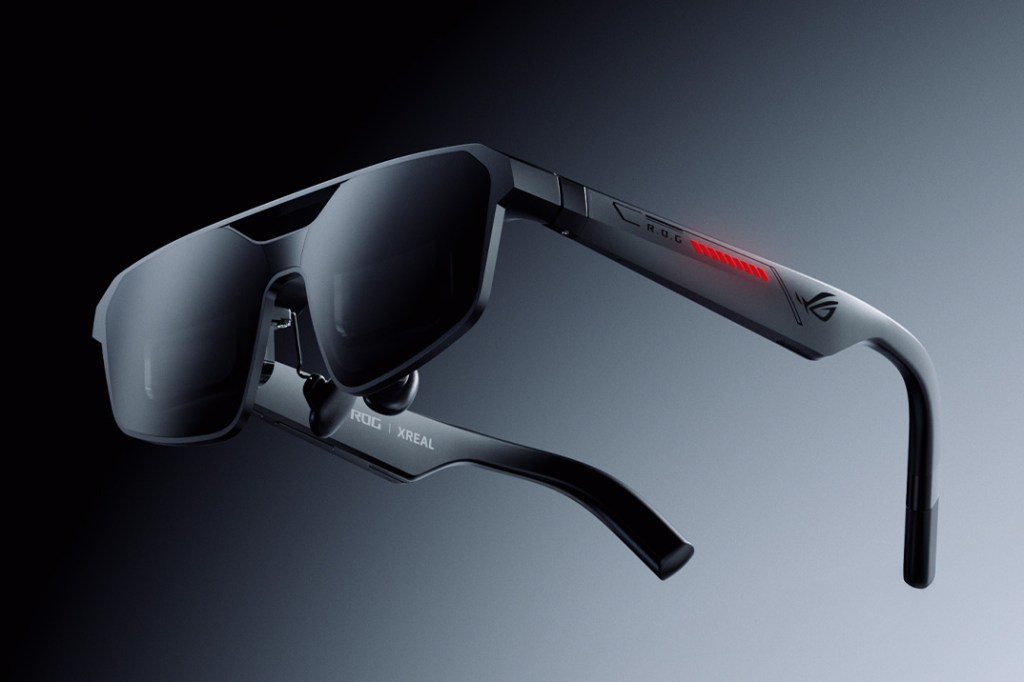
    Major technology companies have also embraced the category. For example, ASUS has introduced ROG Gaming Glasses under its Republic of Gamers brand, demonstrating that gaming eyewear is becoming part of the broader gaming hardware ecosystem alongside gaming monitors, keyboards, mice, and headsets.

    A Category With Billion-Dollar Potential

    As more companies enter the market, gaming glasses are evolving into their own product category. While the exact value of the gaming glasses segment is difficult to measure because it overlaps with digital eyewear and blue light eyewear, the broader gaming and digital lifestyle markets are already worth many billions of dollars.

    If adoption continues to grow alongside esports, PC gaming, console gaming, cloud gaming, and AI-powered wearables, the term gaming glasses could become one of the defining product categories in digital eyewear over the coming years.

    The Future of Gaming Eyewear

    The next generation of gaming glasses may include:

    * AI-enhanced visual optimization
    * Adaptive lenses that respond to lighting conditions
    * Smart display integration
    * Augmented reality features
    * Personalized vision profiles
    * Advanced anti-glare coatings

    As these technologies mature, the phrase gaming glasses will likely represent an entire ecosystem of performance eyewear rather than simply glasses with blue light filters.

    Final Thoughts

    The industry is gradually moving beyond the term blue light glasses. Consumers are increasingly looking for eyewear designed specifically for gaming and prolonged digital use, and manufacturers are responding by building products around that demand.

    With brands such as ASUS launching ROG Gaming Glasses and continued innovation across the gaming hardware industry, gaming glasses are emerging as a recognizable product category. As gaming, AI, and wearable technology continue to expand, the name itself has the potential to become one of the most valuable terms in the digital eyewear industry.

  • Why Smart Glasses Are the Next Must-Have Tech

    Smart glasses aren’t just another gadget—they could become the next major computing platform.

    Think about it: instead of pulling a phone out of your pocket dozens of times a day, you’ll simply glance at a virtual display, navigate with your voice, and interact with AI in real time. Messages, maps, calls, translations, gaming, and productivity could all appear right in front of your eyes.

    As batteries improve, displays become brighter, and AI assistants grow more capable, the need for a traditional smartphone may gradually decline for many everyday tasks.

    We’re still in the early stages, but the shift has already begun. The companies building today’s smart glasses could shape the future of personal technology—just as smartphones transformed the world over the past two decades.

    The next billion-device revolution may not fit in your pocket—it may sit on your face.
    #SmartGlasses #AR #AI #Wearables #FutureTech #ExtendedReality #Innovation #Gaming #Technology

  • XREAL Aura Review: Lightweight AR Glasses with AI Features

    XREAL Aura Review (First Impression)

    Rating: 9.3/10

    The XREAL Aura is one of the most exciting spatial computing glasses announced so far. Instead of trying to replace your smartphone, it focuses on delivering a lightweight mixed-reality experience with Android XR, making it feel more like a portable headset than traditional smart glasses.

    Pros

    * ✅ Large 70° field of view, much wider than most current AR glasses, creating a far more immersive experience.
    * ✅ Lightweight design (under 95 g) despite advanced hardware.
    * ✅ Runs Android XR, giving access to spatial apps, multitasking, and Google services.
    * ✅ Built-in Gemini AI for voice assistance and contextual features.
    * ✅ Hand tracking and 6DoF spatial tracking make interactions feel natural.
    * ✅ External compute puck keeps the glasses comfortable while providing strong performance.

    Cons

    * ❌ Requires a compute puck, so it’s not fully standalone.
    * ❌ Premium pricing is expected (around the $1,300–$1,500 range depending on configuration).
    * ❌ The Android XR app ecosystem is still developing compared with mature mobile platforms.

    Who are they for?

    The XREAL Aura is ideal for:

    * Watching movies on a huge virtual screen.
    * Gaming on handhelds and PCs.
    * Productivity with multiple virtual displays.
    * Early adopters who want the latest mixed-reality technology.

    Verdict

    The XREAL Aura could become one of the best XR glasses of 2026. Its combination of a wide field of view, Android XR, Gemini AI, and a lightweight design makes it a major step forward. The only significant compromise is the external compute puck, but that’s also what allows the glasses to stay slim and comfortable.

    If XREAL delivers on its promises, the Aura has the potential to compete with much larger headsets while being far easier to wear.

  • How Meta’s Smart Glasses Redefine Everyday Eyewear

    Meta’s newest smart glasses are the strongest sign yet that smart eyewear is becoming a mainstream product rather than a tech novelty. They look much closer to regular glasses than earlier generations while adding meaningful AI features, improved cameras, better battery life, and more natural voice interaction.  

    Design: ★★★★★ (9.5/10)

    The biggest achievement is that they don’t look like bulky gadgets. They’re lightweight, comfortable for long periods, and available with prescription, transition, or polarized lenses. Unless someone knows what to look for, they simply resemble fashionable eyewear.  

    AI Features: ★★★★★ (9.5/10)

    Meta AI is the standout feature. You can ask questions naturally, translate languages in real time, identify objects, send messages, navigate, and receive information without touching your phone. The experience feels much faster and more conversational than previous models.  

    Camera & Audio: ★★★★★ (9/10)

    The upgraded camera produces impressive first-person photos and 3K video, while the open-ear speakers deliver surprisingly good sound for music, calls, and podcasts. The microphone array also captures voices clearly, even outdoors.  

    Battery Life: ★★★★☆ (8.5/10)

    Battery life has improved significantly compared with earlier versions, and the charging case provides multiple recharges. Heavy users may still need to recharge before the end of a full day, but it’s no longer a major weakness.  

    Downsides

    • Privacy concerns remain because people may not realize they’re being recorded.  
    • Some advanced features now require a subscription, which has drawn criticism from reviewers and users.  
    • They are more expensive than regular premium sunglasses.

    Overall Rating: 9.3/10

    Pros

    • Stylish and lightweight
    • Excellent AI assistant
    • Great hands-free camera
    • High-quality audio
    • Strong ecosystem with Meta apps

    Cons

    • Premium price
    • Some AI features are subscription-limited
    • Ongoing privacy debates

    Final Verdict

    If you want the best AI smart glasses currently available, Meta is leading the market. The combination of practical AI, excellent hardware, and everyday usability makes these glasses feel like the first smart glasses that many people could genuinely wear every day. If competitors such as Google or Apple don’t respond quickly, Meta has a significant head start in consumer AI eyewear.